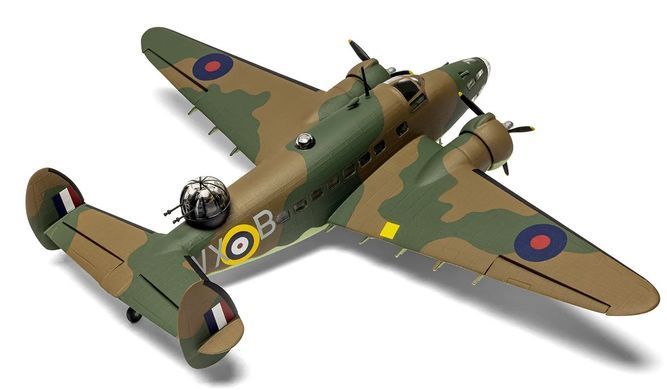
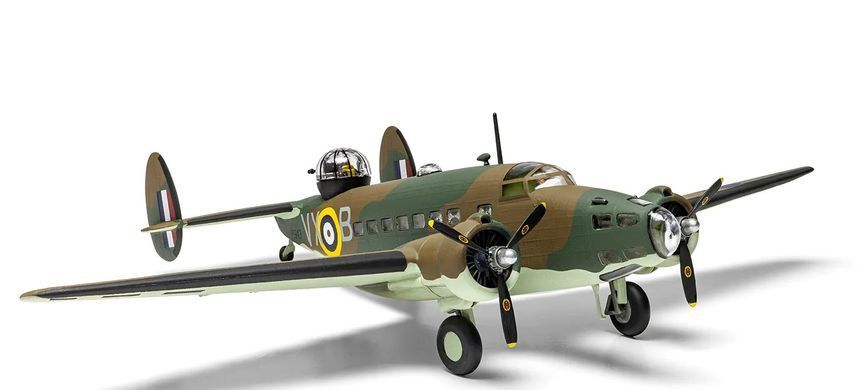
The Lockheed Hudson was a British all-metal, mid-wing, twin-engined light bomber and naval patrol aircraft of World War II. The Hudson was a development of the Lockheed Model 14 airliner. It was ordered by the Royal Air Force from the Lockheed Aircraft Corporation in 1938. The prototype flew on 10 December 1938, and the first aircraft were delivered to the recipient in February 1939. The first versions, designated Mk.I and Mk.II, were powered by Wright Cyclone engines of 1,100 hp each, while the Mk.III version was powered by a newer version of the 1,200 hp each. Finally, the Mk.IV, Mk.V and Mk.VI versions used Pratt-Whitney Twin Wasp engines. A total of approximately 2,900 Lockheed Hudsons were built. The type was used extensively by the Royal Air Force in the first half of the war. Hudson bombers were also exported to Australia, arriving in the late 1940s, and were used in combat against the Japanese during their invasion of Malaya. These aircraft were unescorted and suffered heavy losses in engagements with enemy fighters. By late 1943, they were being replaced by newer aircraft, both in the Royal Air Force and the Royal Air Force. Technical data (Mk.II version): length: 13.51 m, wingspan: 19.96 m, height: 3.62 m, maximum speed: 397 km/h, rate of climb: 6.2 m/s, maximum flight range: 3150 km, maximum ceiling 7470 m, armament: stationary - 4 Browning 7.7 mm machine guns, overhead - up to 340 kg of bombs.