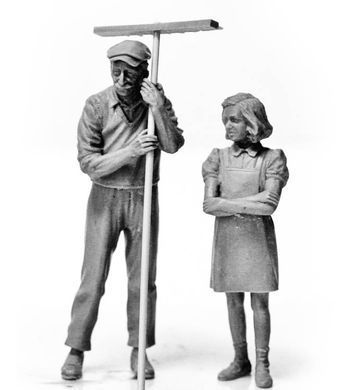
During World War II, the attitude of the Axis powers, especially Germany, towards the civilian population living in the conquered territories of Europe was quite different. It can be assumed that the further west one went, the less genocidal and less brutal this policy was. An example is France, which in 1940 was divided into two parts - occupied by German and Italian troops and the so-called Vichy state, which retained the appearance of independence and, moreover, collaborated closely with the Third Reich. In occupied France, the Germans seized power, tried to use the local industrial base in their own war efforts, forcibly delivered contingents of forced laborers and ruthlessly cracked down on the resistance movement, but they did not seek to murder and destroy the French nation. Other examples include the creation of governments that collaborated to a greater or lesser extent with Germany, in the Netherlands or Norway. On the other hand, the further east we moved, the more genocidal German policy became. An example is German policy in Poland, where the invader sought to Germanize part of the population and treated the General Government as a reservoir of free labor. With the introduction of the so-called General Plan "Ost" in 1941, the Third Reich assumed that a significant part of Polish society would either be killed or forcibly resettled. The Third Reich pursued a similar genocidal policy in the western territories of the USSR, occupied since 1941. A terrible, common denominator of German occupation policy in Western and Eastern Europe was the desire to kill the Jewish population living in these territories. This crime went down in history as the Holocaust or Shoah (from Hebrew - Holocaust). Safe and probably underestimated estimates suggest that around 23.7 million civilians died or were murdered throughout World War II…